

Fuel Polishing, Sampling & Fuel Quality Services in Angie, LA | Diesel Fuelmasters, LLC
Five focused services for stored diesel — built around the fuel polishing and quality control work at the heart of our business, and delivered with the punctuality our customers count on.
Request Your Free Estimate
Tell us about your tank and we'll get right back to you.
500+
Tanks Serviced
2013
Serving Since
24/7
Availability
Fuel Quality Services
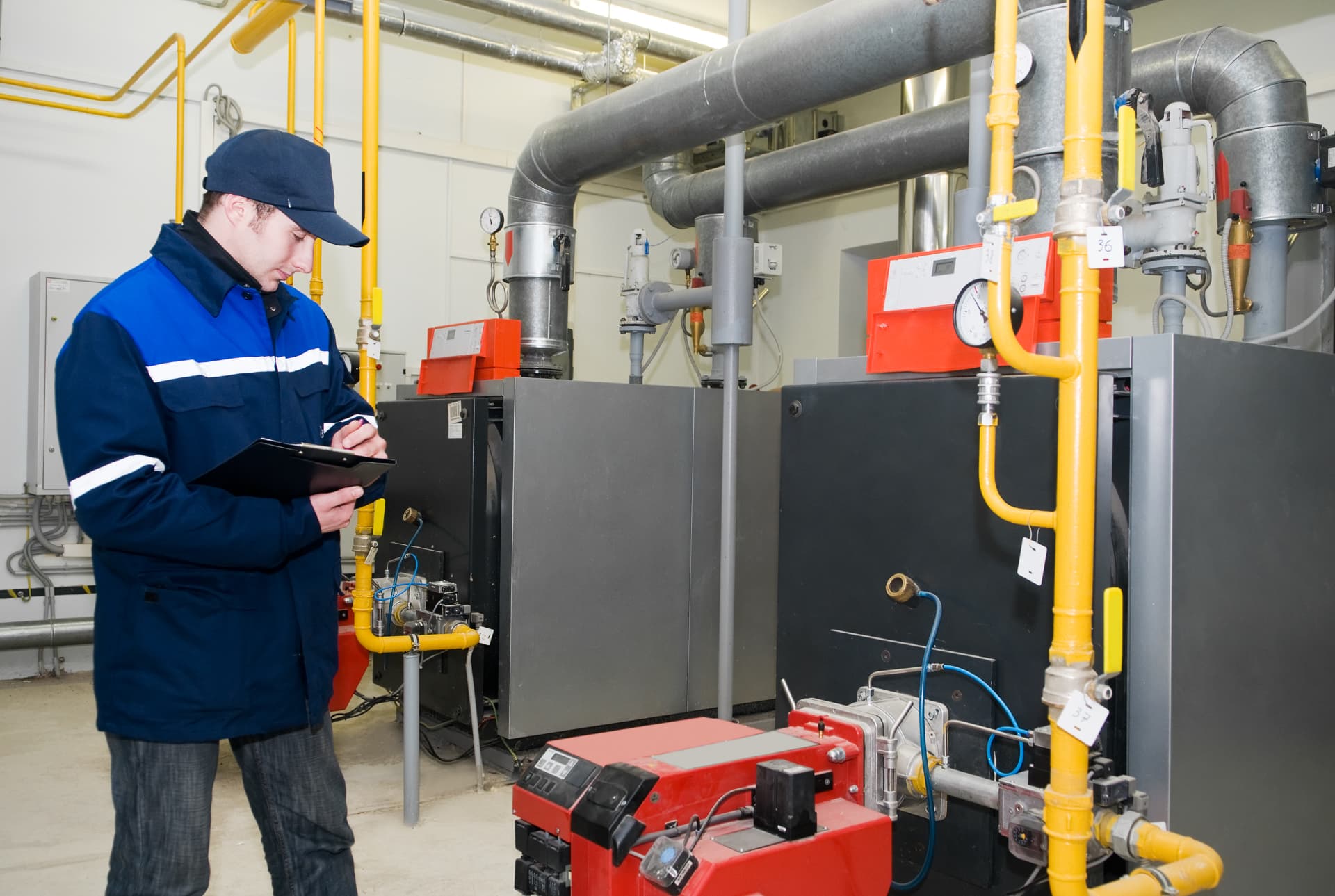
Fuel Polishing
Our most popular service — on-site filtration and quality control that restores stored diesel to clean, usable condition.
Learn more
Fuel Sampling
Documented sampling and lab analysis so you know exactly what is in your tank — including compliance support for hospitals.
Learn more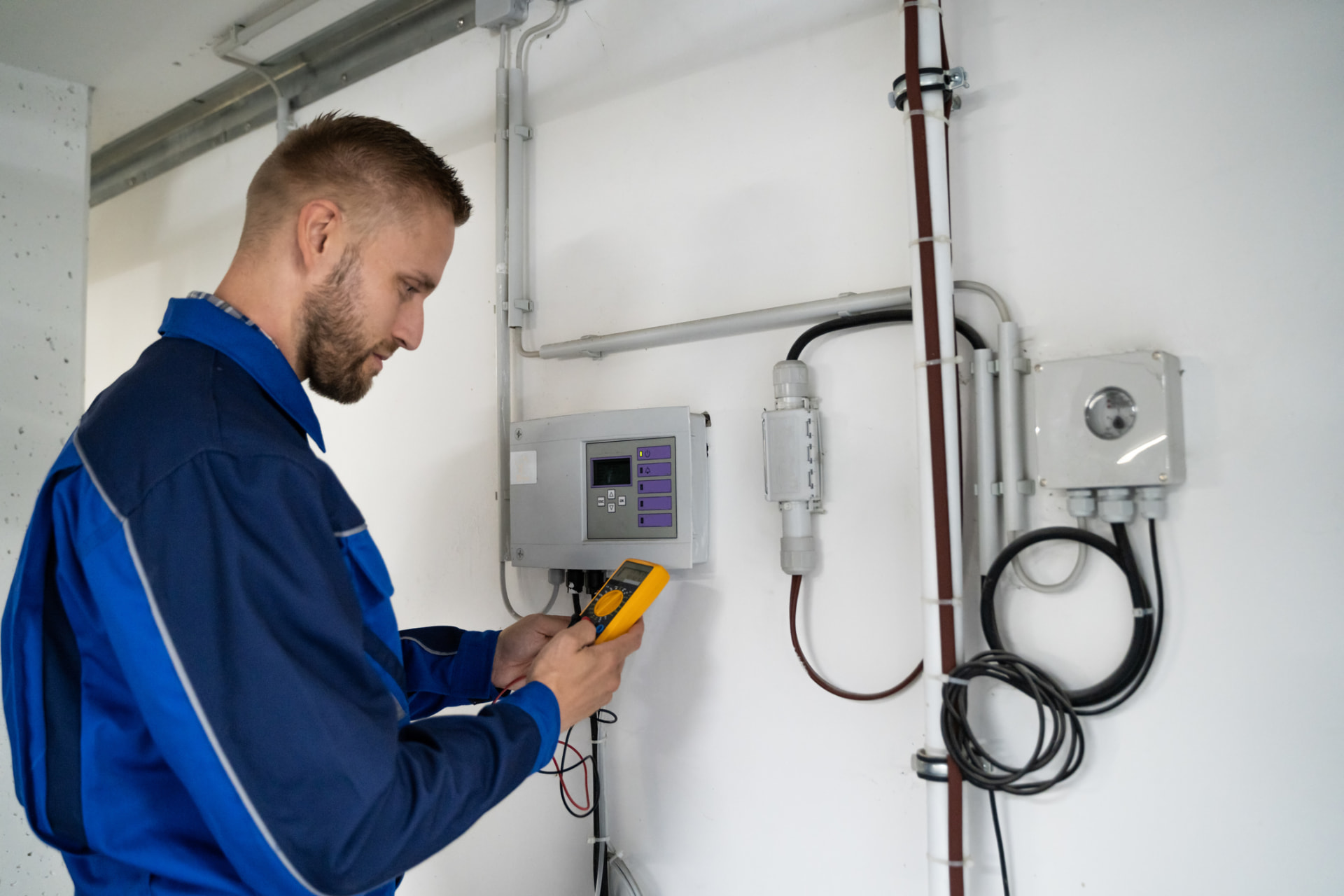
Complete Fuel Quality Maintenance
A managed program combining sampling, polishing and tank care so your stored fuel stays ready year round.
Learn more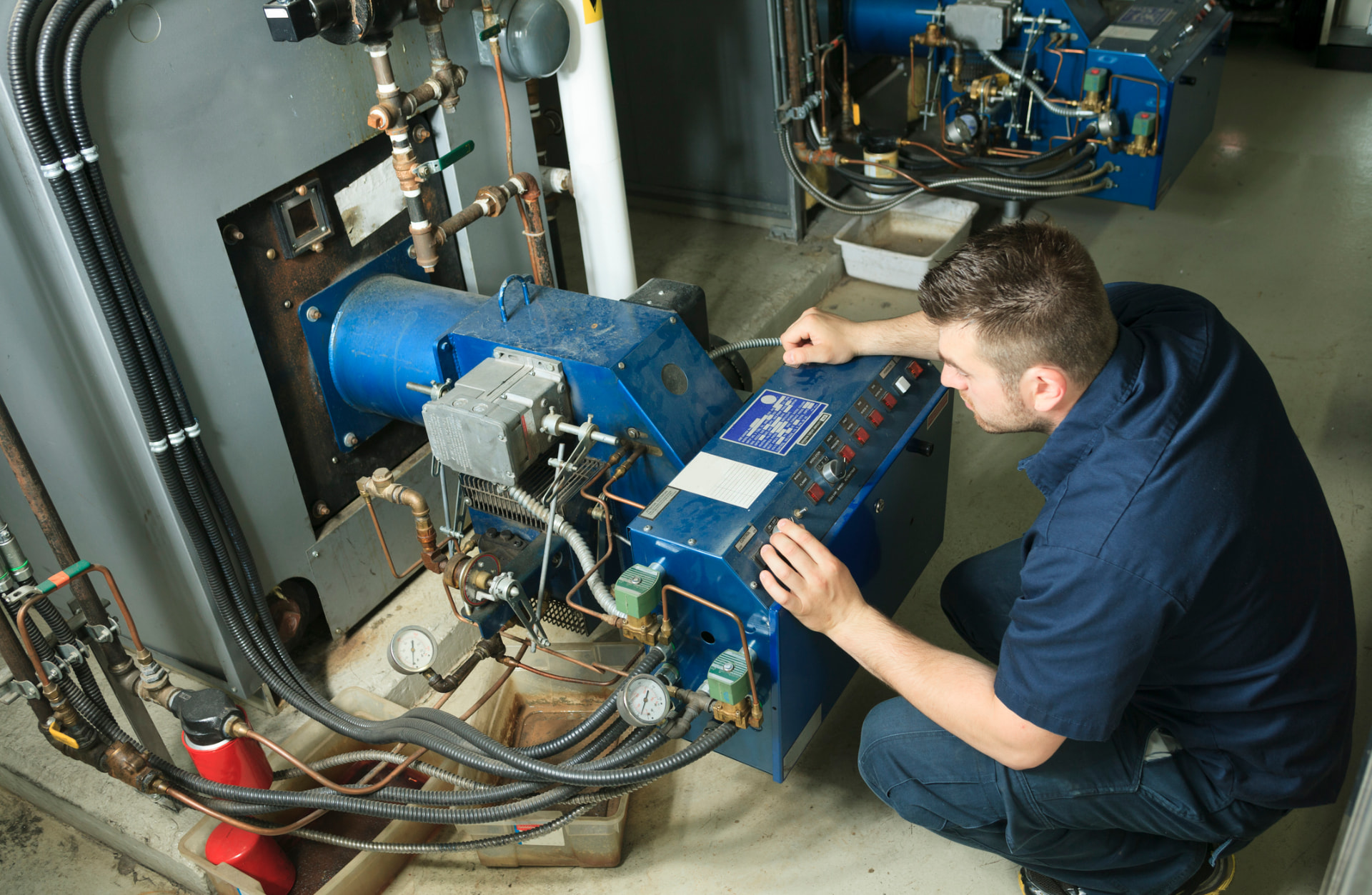
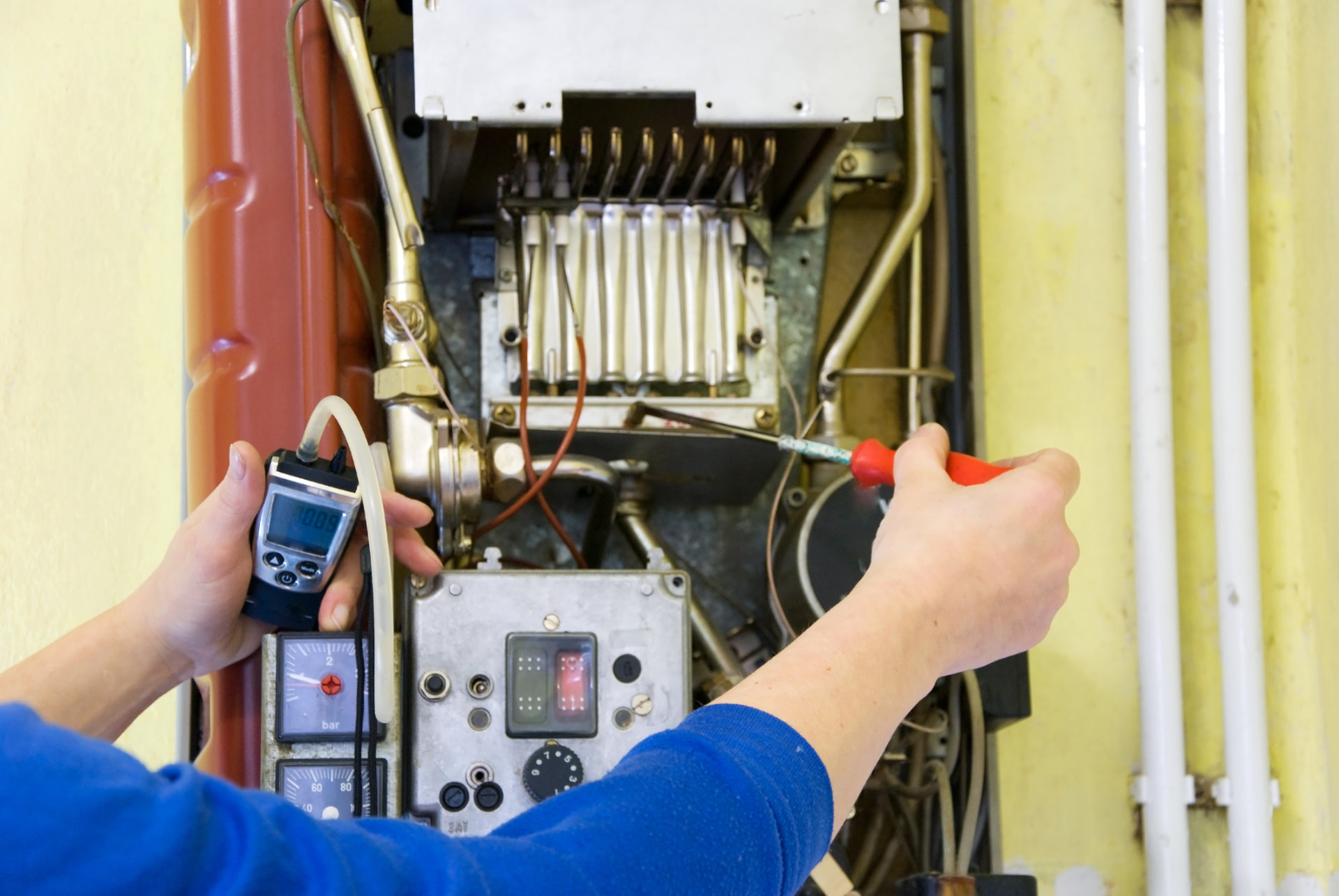
Fuel Work Across Louisiana & Mississippi
Fueling, tank fills and on-site fuel quality checks.

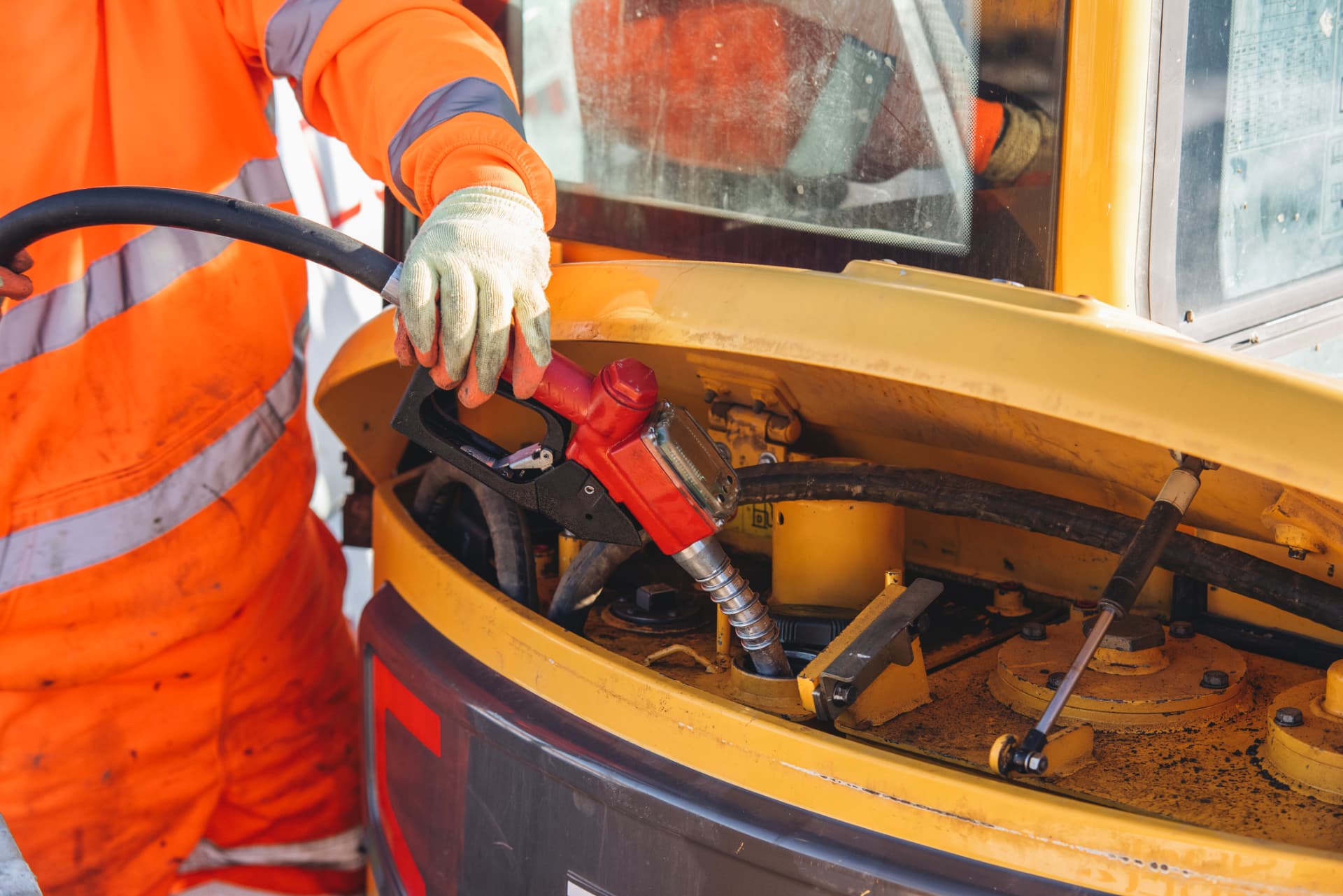
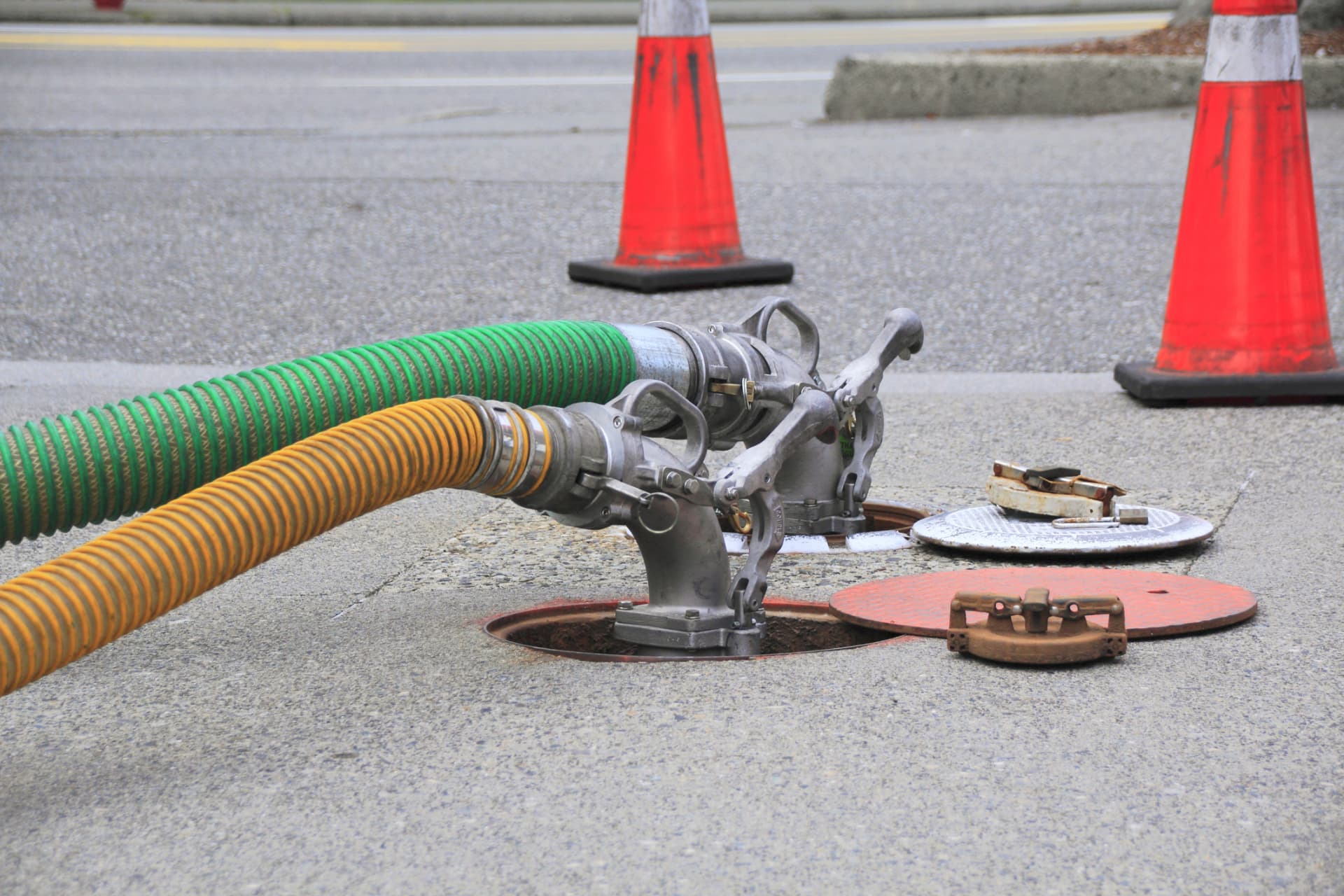
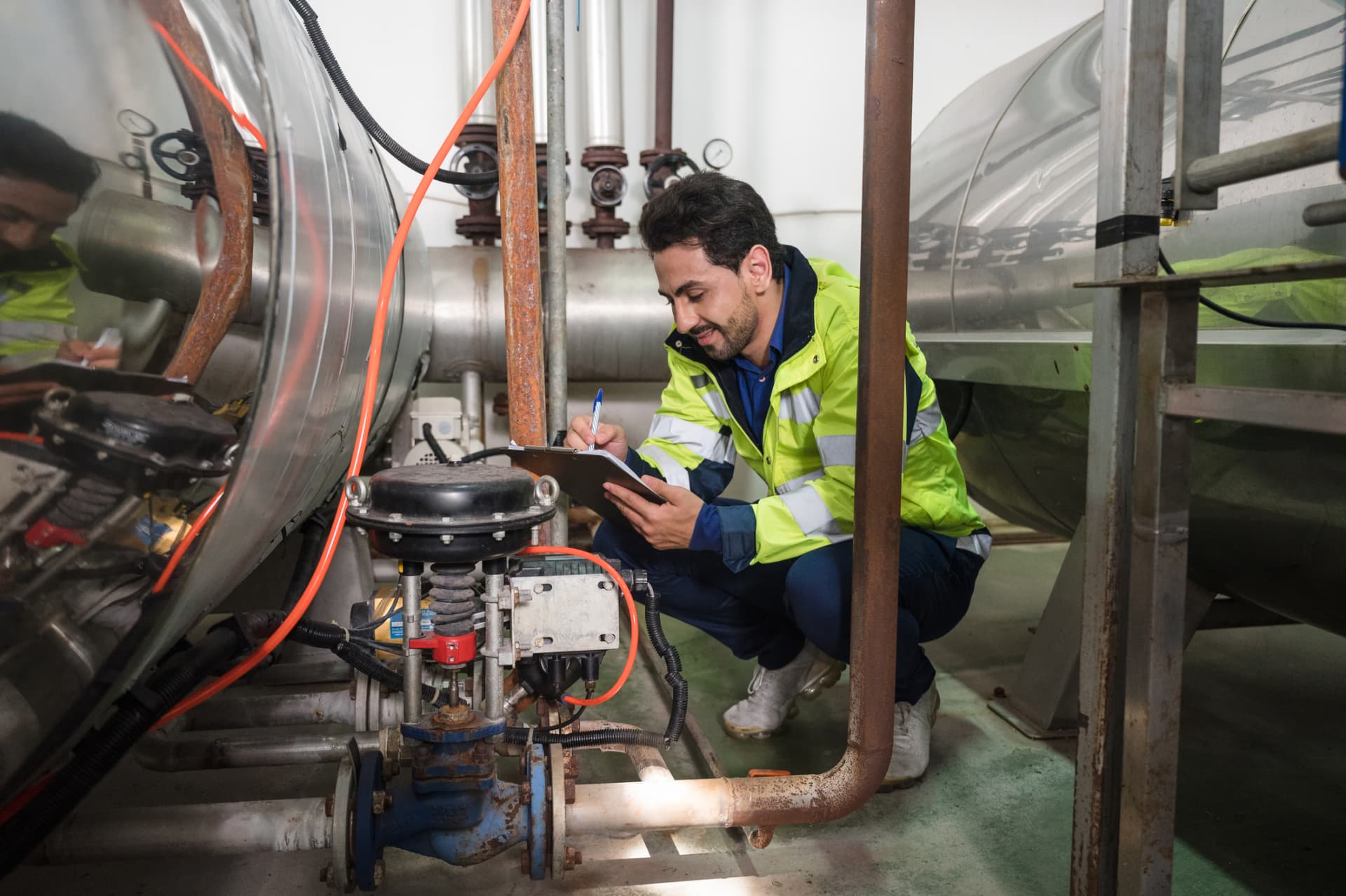
Proudly serving: Angie, LA · New Orleans, LA · Baton Rouge, LA · Lafayette, LA · Gulfport, MS
Frequently Asked Questions
Fuel polishing is our most requested service. If you are not sure what your tank needs, we usually begin with fuel sampling and recommend the right service from the results.
Ready to Discuss Your Fuel Polishing & Maintenance Needs?
Tell us about your stored fuel and let us help you take the next step toward arranging service. We answer the phone 24 hours a day.
Request Your Free Estimate
Tell us about your tank and we'll get right back to you.